Christmas on CDS
Discover vibrant Spanish festive traditions and warm-weather holiday retreats on the sunny Costa del Sol
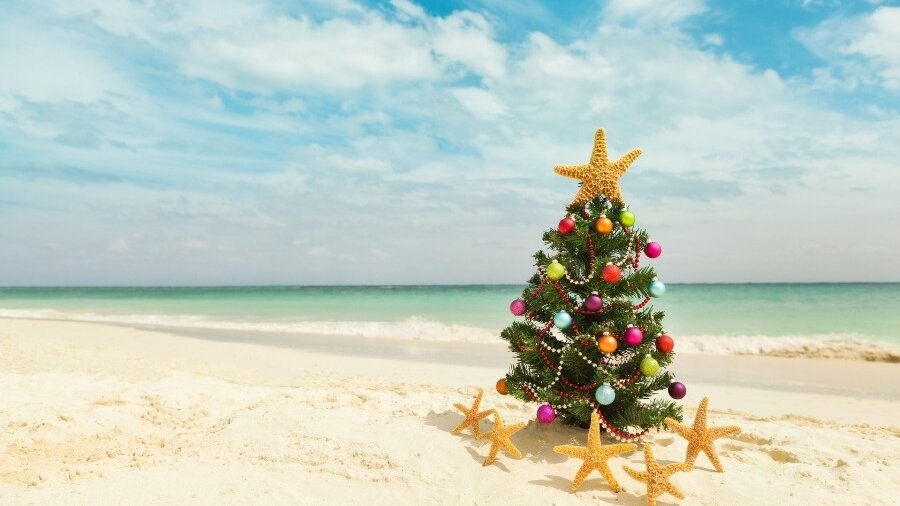
Christmas in Spain isn’t just a single day—it’s a two-week celebration running from 22 December to 6 January packed with non-stop festivities, rich culinary traditions, and long family feasts. If you are looking to swap cold winter days for mild afternoons, sunlit lunches, and vibrant holiday markets, heading to Andalucía offers a unique festive break filled with local warmth and culture. Here is what to expect during a Christmas getaway on the Costa del Sol.
Twelve grapes in twelve chimes is harder than it sounds, and supermarkets sell them in small tins of twelve, ready to go.
A different kind of Christmas – head to the Costa del Sol
Christmas in Spain isn’t a singular day, with the season running from 22 December to 6 January. That’s about two weeks where something happens almost every day, and nearly all of it involves food and a long table.
If you’re looking for a different kind of Christmas this year, it’s not too late to book your festive break on the Costa del Sol. Here’s a run-down of what to expect over the Christmas period on Spain’s sunny coast.
22 December: the lottery
The Christmas season starts with the lottery. The draw, which has been held in some form since 1812, takes place on the morning of the 22nd at the Teatro Real in Madrid and is shown live on television and radio, and it goes on for several hours. A great many people have a share in a ticket, bought with family, friends or colleagues, and bars keep the sound up so the whole room hears each number. The top prize is called El Gordo, which means the fat one, and there’s a serious amount of money to be won.
You will hear it wherever you have your morning coffee!
Christmas Eve and Christmas Day
Nochebuena, the 24th, is the big night for Spaniards. Dinner is late, often after ten, with the whole family around one table. Shellfish tends to come first, prawns and langostinos, followed by a roast or a fish. Some people finish the evening at midnight mass, the Misa del Gallo. Small presents are exchanged on 24th, but the 6th January is still the main event for gift giving.
The 25th is a second long family lunch, usually with more of the same. Most restaurants are closed on Christmas Eve and Christmas Day, so if you want to dine out, you’ll need to book way in advance for those few that remain open.
The 26th is an ordinary working day in Andalucía, which surprises many British visitors. Most shops are open again. Supermarkets close early on the 24th and stay shut on the 25th, so it is worth doing the main shop earlier in the week.
The days in between
The 28th is the Día de los Santos Inocentes, the Spanish April Fools’ Day. Newspapers and television run invented stories, and children pin paper figures on each other’s backs. Read the morning headlines with a pinch of salt.
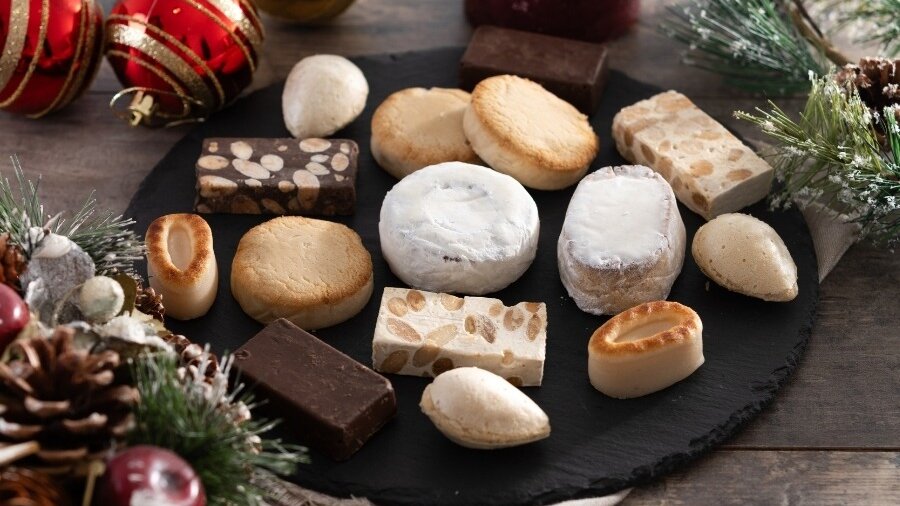
Turrón takes over the shops in December, the hard and soft almond nougat in slabs, along with polvorones and mantecados, crumbly little biscuits wrapped in tissue paper. Estepa, in the province of Seville, is the town most associated with them. A box of each on the table is standard.
Further west, around Jerez and Cádiz, people gather in bars and squares for zambombas, carol singing with flamenco rhythm and a friction drum that gives the music its name. If you are staying two weeks and have a car, it makes a good day out.
Málaga puts up its Christmas lights in late November, and the display on Calle Larios, with music and lights timed together, is worth seeing once. It gets very busy at weekends, so go on a weekday evening, when there are usually two shows. The lights stay up until Three Kings on 6th January.
New Year’s Eve
At midnight on the 31st, the tradition is to eat twelve grapes, one with each chime of the clock. Each grape is meant to bring luck for a month. Twelve grapes in twelve chimes is harder than it sounds, and supermarkets sell them in small tins of twelve, ready to go. Red underwear is also part of the tradition, for luck. Nobody will ask you to prove it!
Three Kings
Spanish children traditionally get their main presents from the Three Kings on 6th January. On the evening of the 5th, most towns hold a parade, the Cabalgata de los Reyes Magos, with floats, music, and sweets thrown to the crowd. Children bring bags and sometimes upturned umbrellas to collect them. The presents are opened the next morning, which is a public holiday.
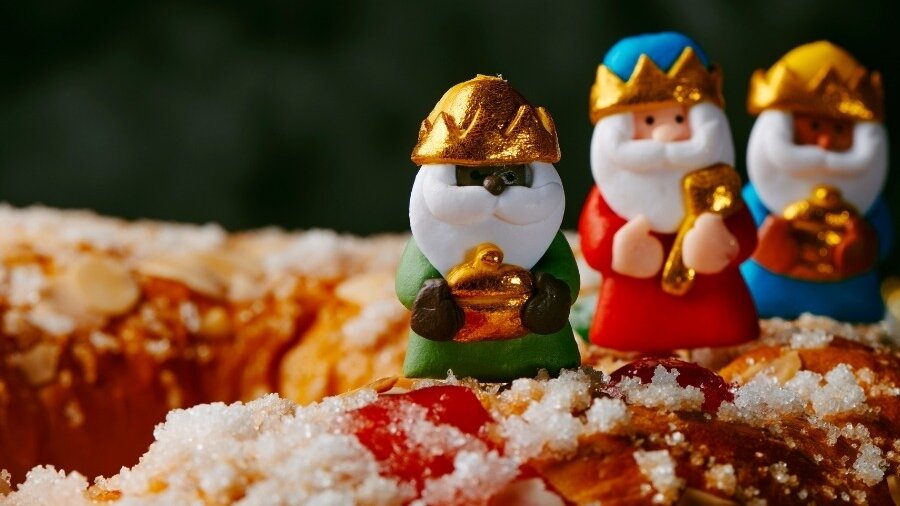
The season ends with the roscón de Reyes, a ring-shaped sweet bread topped with candied fruit. A small figure is baked inside, and a dried bean too. Whoever finds the bean pays for the roscón.
Find the accommodation for your Costa del Sol Christmas
The Spanish way of doing Christmas needs a big table and a kitchen you can work in, and that is easier in a house than in a hotel. Casa Clara has five bedrooms and sleeps ten, a chef-grade kitchen and room for everyone to sit down together.
December here is mild; on a clear day you can have lunch outside followed, perhaps, by a dip in the pool or in the hot tub. If someone in your group plays the piano well, ask us about the one in the house.
We have other properties around Mijas for smaller groups too. Christmas weeks tend to be the first to fill, so if you are thinking about it, get in touch soon and we will check dates for you.
To experience the true spirit of a Spanish Christmas, you need a generous table, space for everyone to gather, and a comfortable home base. Whether you are envisioning alfresco festive lunches on mild December days or evening dips in the hot tub, finding the right villa makes all the difference. Festive weeks fill up quickly—get in touch today to check dates and reserve your perfect holiday stay on the Costa del Sol.