Car Hire Costa del Sol
A practical guide to whether you need a car on the Costa del Sol, based on location, transport links, and travel style.
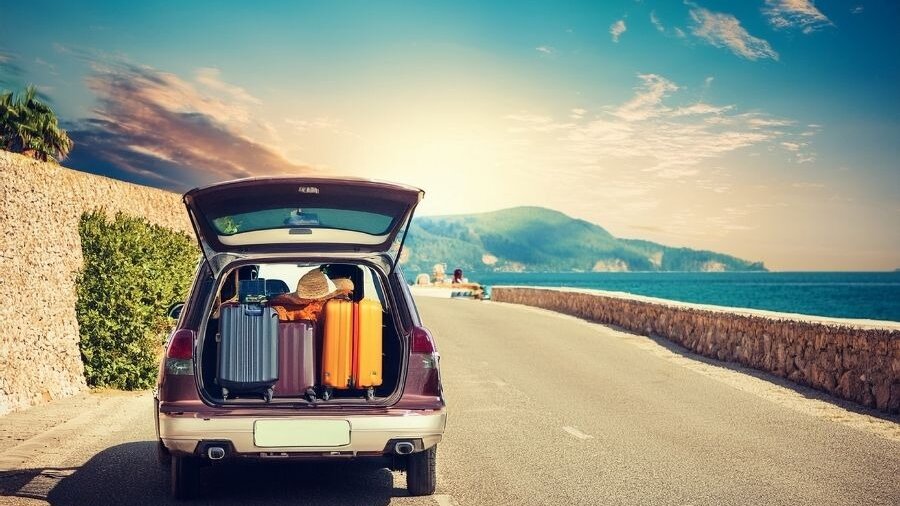
Planning a Costa del Sol holiday? Whether you need a car depends entirely on where you stay. From walkable coastal towns with excellent train links to remote hillside villas, transport options vary widely. This guide breaks down the realities of getting around—so you can choose the right location and avoid unexpected hassle during your stay.

On the Costa del Sol, the difference between needing a car and not often comes down to just a few miles.
Do you need a car when holidaying on the Costa del Sol?
For those wondering whether you need to hie a car when holidaying on the Costa del Sol, the answer varies considerably depending on where you stay. This guide sets out the practical realities — transport connections, costs, and terrain — so you can make an informed decision before you travel.
This is one of the most common questions guests ask before booking, and it deserves a straight answer rather than a vague "it's up to you." The Costa del Sol is not one place, it's a long, varied stretch of coastline where a ten-minute drive can take you from a well-connected beach town to an isolated hillside villa with no pavement and a bus that runs twice a week.
The good news: some of our properties are genuinely, comfortably accessible without a car. Others not so much. Our welcome guides provide you with taxi numbers, bus routes and other important transport information. Knowing which is which before you arrive makes the difference between a relaxing holiday and a frustrating one.
Areas that work well without a car
Fuengirola is the most car-free-friendly town on this stretch of coast. It sits on the Cercanías C-1 line, which connects directly to Málaga city centre (around 35 minutes) and all the way to the airport. Trains run frequently, roughly every 20 minutes at peak times, and the seafront is flat and walkable. Supermarkets, restaurants, and the beach are all within easy reach on foot.
Beachfront and resort properties along Mijas Costa, particularly those directly on or near the N-340 coastal road, are served by the M-221 and M-223 buses connecting Fuengirola and Marbella. These run hourly on most routes. For many guests staying in low-rise apartments close to the sea, a combination of the bus and the occasional Bolt ride covers almost everything.
La Cala de Mijas has its own small town centre with shops, bars, a beach, and a twice-weekly market. The bus connects to Fuengirola (around 20 minutes), giving you train access from there. If your plans are beach-focused and relatively local, you can manage without a car, though you'll be more constrained than in Fuengirola itself.
Train tip: The Cercanías C-1 runs from Málaga airport all the way to Fuengirola. A single ticket costs €2.70. It's the cheapest and often fastest way in from the airport if you're staying in Fuengirola or nearby.
Areas where a car is recommended
Mijas Pueblo is a beautiful whitewashed village in the hills above the coast and that's precisely the problem. It sits at around 430 metres above sea level, accessed by a winding mountain road. There is a bus (the M-112 from Fuengirola), but it runs a handful of times a day and stops in the evening. A taxi from the coast costs roughly €14–20 each way. Do that twice a day and you're spending more on taxis than a hire car would cost. If you're staying in Mijas Pueblo, hire a car.
Golf urbanisations are designed around car ownership. They're typically set back from the coast on elevated terrain, with no footpaths connecting them to shops or restaurants, and bus services that are either non-existent or impractical. A car isn't optional here; it's essential.
Rural and hillside villas scattered across the Mijas municipality face the same issue. Even where a taxi can reach you, the cost of relying on them daily adds up rapidly, and some private tracks are difficult to navigate without knowing the area. For properties of this type, we always recommend arriving with a hire car booked.
Check out our Costa del Sol holiday properties
Public transport: a realistic picture
The Cercanías C-1 rail line is genuinely excellent for what it covers: the coastal corridor from Málaga via the airport through Torremolinos, Benalmádena to Fuengirola, and several other stops in between. If your property is within walking distance of one of these stations, you have real freedom of movement.
Beyond that, the picture is patchier. The M-series bus routes run along the coastal road and link the major towns, but frequencies drop in the evenings and are reduced significantly on Sundays. There is no direct public transport to Mijas Pueblo in the evening; the last bus back from Fuengirola typically runs around 9.30pm.
- Cercanías C-1 train: Málaga → Fuengirola, via airport, every 20 min at peak, €2–4 depending on zones
- M-220: coastal bus, Fuengirola–Marbella via La Cala de Mijas, approximately every 30 minutes
- M-221: coastal and inland bus, Fuengirola – Coín via Mijas Pueblo, 4 times a day
- M-122: Fuengirola–Mijas Pueblo, limited departures, check timetables in advance
- No rail service west of Fuengirola (Marbella has no train)
Car hire: when to book and what it costs
If you decide you need a car, book early. Prices from Málaga airport rise sharply in July and August, and last-minute availability can be limited. Booking at least four weeks ahead makes a meaningful difference.
Budget weekly rate: from €120–180
Economy car, booked 3–4 weeks ahead
Peak season: €200–350+
July–August, booked last minute
Best pick-up point
Málaga airport; Largest choice; avoid in-town surcharges
Worth knowing: Most Spanish hire cars come with manual gearboxes. If you need automatic, specify this when booking. Availability is lower and the price is typically higher. Full-to-full fuel policies are generally better value than pre-paid fuel.
Taxis and app-based transfers
Bolt (the European version of Uber) is the most widely used ride-hailing app on the Costa del Sol and works well in Fuengirola, Benalmádena, and along the coast. Coverage is thinner in rural areas, where you may need to use a local taxi firm or pre-book a transfer.
For airport transfers, a private transfer from Málaga airport to the Mijas Costa / Fuengirola area typically costs €35–55 for a standard vehicle, booked in advance. This compares favourably to taxis if you have luggage and a group, but the Cercanías train beats both for value if you're travelling light to a connected area.
In summary:
- Bolt app: good coverage along the coast, limited in hills and rural areas
- Local taxis: metered, available at ranks in Fuengirola, La Cala, and Mijas Pueblo
- Airport to Fuengirola by train: ~35 min, €2.60
- Airport to Mijas Costa by taxi: approx. €40–60 depending on destination
- Pre-booked private transfers: €35–55, best for groups with luggage

Not sure which of our properties suits your plans?
Tell us how you're travelling what matters most to you: beach access, town-centre convenience, hilltop views. We'll point you to the properties that genuinely fit. No sales pitch, just honest advice.
Ask us about transport & location ↗