
Remote working February - March
Why February and early March are ideal for remote working in Spain, combining winter sun, reliable Wi-Fi and homes built for longer stays.

For many people with flexible jobs, the working day looks the same wherever you are. Laptop, video calls, deadlines, repeat. What’s less fixed is the location. February and early March offer a chance to rethink where you work from, without waiting for summer or taking time off. That’s why remote working in Spain has become an appealing option.

February and early March offer a chance to rethink where you work from, without waiting for summer or taking time off.
Work from the sun: time to change your routine?
Instead of planning a short holiday, more guests are choosing to change their base for a few weeks. The Costa del Sol works particularly well for this kind of stay, combining reliable winter weather, strong infrastructure and properties designed for longer-term comfort.
Winter sun that supports daily life
Southern Spain in winter is not about extreme heat or crowded beaches. Days are bright and mild, making it easy to build outdoor time into your routine. Morning walks, lunch on a terrace or a break by the sea are realistic options, not holiday extras.
This climate supports a better balance between work and downtime. You can finish a working day and still have daylight to use, without the intensity of summer temperatures. For many remote workers, this makes winter a more productive and enjoyable season to travel.
Homes which support remote working
Working away only works if the practical details are right. Reliable internet, comfortable workspaces and well-equipped kitchens matter more than sea views alone.
Goto properties are prepared for longer stays, with fast Wi-Fi, functional living spaces and the kind of setup that allows you to work properly during the week. This makes it easier to maintain routines, whether you are working full time, part time or balancing work with other commitments.
For guests considering remote working in Spain, having a space that functions as a real home makes longer stays far more sustainable.
Better value for longer stays
Winter rates make extended stays more accessible. February and early March often come with lower prices and seasonal offers, meaning that a few weeks away can feel more manageable than peak-season travel.
For freelancers, remote employees or semi-retired travellers, this can be a cost-effective way to change environment without increasing overall expenses. When accommodation, utilities and internet are already included, budgeting becomes simpler and more predictable.
Staying longer also reduces the pressure to “make the most” of every day. You are not squeezing work around sightseeing. You are living normally, just somewhere different.
Experience daily life, not just a destination
A longer stay changes how you experience a place. You shop locally, follow your usual schedule and get to know your surroundings beyond the tourist highlights.
This approach suits guests who want familiarity as well as variety. Cafés become regular stops, walks become routines and the area starts to feel lived-in rather than visited. For many, this sense of normality is the real appeal.
It also makes returning to work each day easier. You are not switching between holiday mode and work mode. You are simply working from a different location.
From holiday to lifestyle
The biggest shift is mindset. This is not about taking time off. It is about choosing where you spend your working weeks.
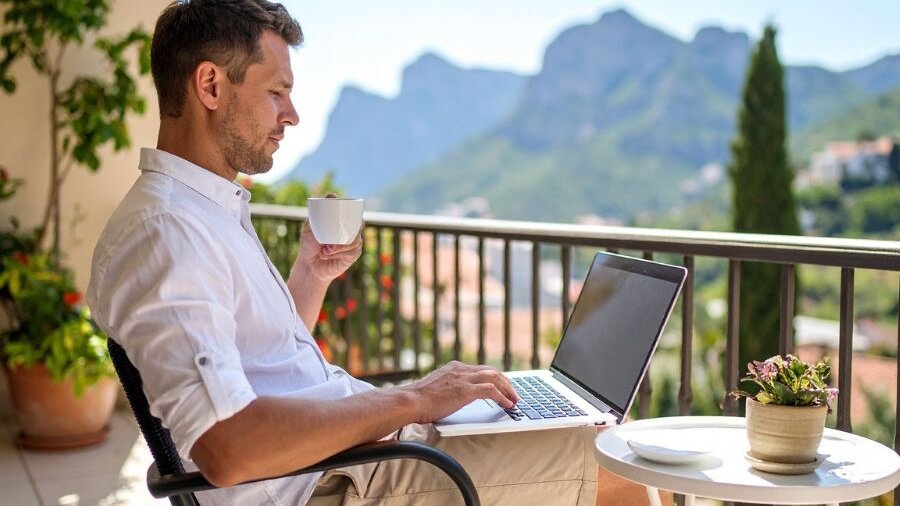
February and early March are ideal for this kind of stay. The pace is calmer, the climate is dependable and the region is fully operational, without the pressures of peak season. If your work allows flexibility, this may be the right moment to use it.
Swap your routine for sunshine and book your winter work-from-away stay.