Málaga and Costa del Sol in January
Discover why January is a great time to visit the Costa del Sol, with mild weather, outdoor activities and a quieter pace of life.

Escape the winter chill and discover a different side of the Costa del Sol. January brings mild temperatures, sunny afternoons, coastal walks and excellent opportunities for golf, cycling and exploring Andalucía. Whether you're planning a winter getaway, a remote-working break or a longer stay, discover what to expect, where to go and why January could be the perfect time to visit.
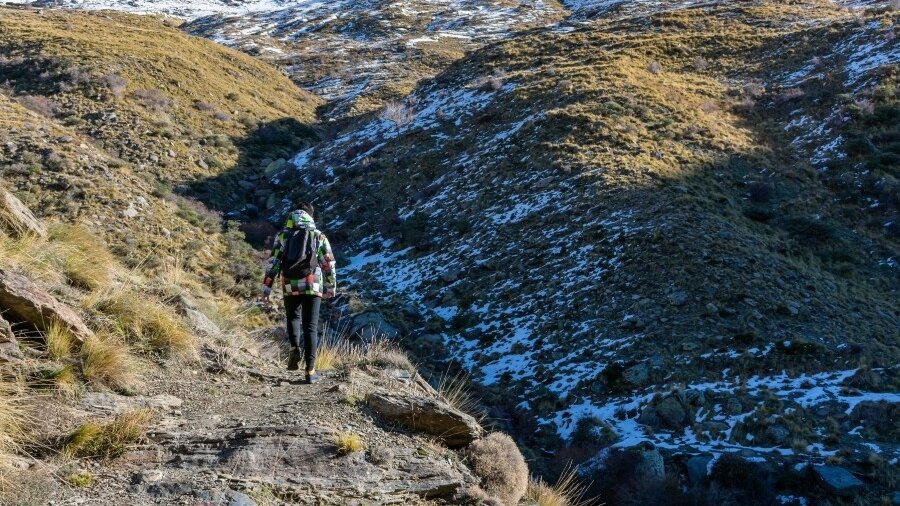
Trade the winter chill for sunny coastal walks, outdoor adventures and a slower pace of life on the Costa del Sol.
Is it worth visiting the Costa del Sol in January?
Yes, for most people it is. January on the Costa del Sol brings average afternoon highs of about 17°C, around 180 hours of sunshine across the month and just under six days with 1 mm of rain or more, according to Spain’s national weather agency, AEMET. That is enough for long walks, a round of golf, a bike ride or lunch on a terrace while much of northern Europe and North America is dark by teatime and wrapped up against the cold. The month suits people who want to be outdoors in daylight, anyone who needs a change of scene after Christmas, and those who can work from anywhere with good wifi.
This guide sets out what the weather is like, what you can do outdoors, how the days after Christmas work in Spain, what to expect if you are working remotely, and any drawbacks worth knowing before you book.
How hot is the Costa del Sol in January?
Mild, not hot. AEMET’s (the Spanish Met office) long-term averages for Málaga Airport put the average January daytime high at 16.8°C and the average overnight low at 7.4°C.
| AEMET averages | |
|---|---|
| Average daily maximum | 16.8°C |
| Average daily minimum | 8°C |
| Days with 1 mm of rain or more | 5.8 |
| Total rainfall | 45-65mm; around 5-6 rainy days |
| Hours of sunshine/daylight | 5-6 hours per day/10 hours per day |
Source: AEMET, Valores climatológicos normales, Málaga.
These are monthly averages, so individual days vary. A sunny, sheltered terrace at midday is comfortable in a T-shirt for many people, and by evening most want a fleece or jacket. Early mornings are usually just below 10°C. Mijas Pueblo sits in the hills above the coast and is usually a little cooler than the seafront.
Individual Januarys can differ a lot from the average. In mid-January 2024, AEMET forecast highs of 21 to 22°C for Málaga city against a normal of around 17°C. In the other direction, a cold front crossing from the Atlantic can bring a day or two of steady rain. None of us has a weather crystal ball, but we can safely say that
Daylight is limited but better than at home: roughly ten hours, with sunrise at about 8.15 to 8.30am and sunset between about 6.15 and 6.45pm. The sea sits at around 15 to 16°C.
Is the Costa del Sol the warmest part of Spain in January?
No. The Canary Islands are warmer in winter, although they are about four hours’ flying time from the UK and have a different landscape, food and culture from the mainland. On the mainland, the southern coast of Andalucía is among the mildest places in January, sheltered to the north by the mountains behind the coast.
For many winter visitors the choice comes down to practicalities. Málaga Airport is under three hours from much of the UK, the time difference from London is one hour, and the region has the shops, healthcare and restaurants of a place that people live in all year round. Granada and Ronda are within day-trip distance when you want a change from the coast.
What can you do outdoors on the Costa del Sol in January?
January suits exercise. Temperatures are comfortable for walking, golf and cycling, and the midday sun is warm without the heat of July and August that pushes outdoor sport into the early morning or the evening.
Hiking in the Sierra de Mijas
The Sierra de Mijas rises directly behind Mijas Pueblo. The town hall has waymarked a network of graded routes across its southern slopes, most of them starting at the Mirador de Mijas Pueblo, with information panels along the way. January is among the best walking months with clear skies and almond blossom on the slopes. A popular route climbs to the summit marked by the communications masts above the village, with wide views over the coast. Wear proper footwear, carry water and bring a layer, because paths are steep in places and can be slippery after rain.
Golf
The Costa del Sol has more than 70 golf courses along about 150 km of coast, the highest concentration in continental Europe, and courses around Mijas and Fuengirola form one of its main clusters. Winter is when many golfers from colder countries come to play. Tee times and prices vary by course and by week, so book ahead and ask each club about winter rates.
Cycling
Road cyclists use the quieter hinterland roads and the climbs behind the coast, and mountain bikers use the tracks in the foothills of the sierra. Road, mountain and electric bikes can be hired locally, and an e-bike takes the edge off the hills. Mornings are cool, so most riders set off once the chill has lifted.
Horse riding
Riding centres in the Mijas area and further along the coast run guided hacks, from short beginner rides to longer treks. Confirm winter timetables and book ahead.
Tennis and padel
Spain is the European home ground of padel, and clubs across the coast hire courts by the hour. Many have floodlit courts, which suits the early dark of January evenings. Tennis courts are just as easy to find. Most clubs take bookings by phone or app, and it is worth asking about racquet hire and coaching if you are new to either game.
The beach and the promenades
Most January visitors walk the seafront promenades at La Cala de Mijas, Fuengirola and Marbella, sit on the sand in a sheltered spot and eat at beachfront restaurants. Swimming in the sea is for the hardy; if you’re a seasoned cold water swimmer, then this is the time to visit.
La Cala de Mijas keeps its restaurants and promenade life going through winter, helped by residents and long-stay visitors.
Is January a good time to get away after Christmas?
Spanish Christmas runs until 6 January, so the festive season does not stop on 26 December here. On the evening of 5 January, towns across the coast hold the Cabalgata de Reyes, the Three Kings parade, with the kings throwing sweets to the crowd from floats. 6 January, Día de los Reyes Magos, is a public holiday when families open presents and eat roscón de reyes, a ring-shaped cake. Mijas holds three separate parades, in Mijas Pueblo, La Cala de Mijas and Las Lagunas, and Málaga, Marbella and Fuengirola hold their.
Many shops and supermarkets close on 6 January, so stock the kitchen on the 4th or 5th. After the holiday, January is low season for leisure travel on the coast. Beaches, promenades and trails are quieter than in summer, although some seasonal beach bars and restaurants close for a few weeks, so check opening hours before you plan a particular meal.
For anyone who has spent December hosting, travelling or working through the busiest weeks of the year, the first fortnight of January is a good time to kickback.
Can you work remotely from the Costa del Sol in January?
Yes, and the month suits it. Every Goto home has wifi and room to work. If your work depends on a particular broadband speed for video calls, ask us before you book.
Spain is on Central European Time, which in January is one hour ahead of London and six hours ahead of New York. UK colleagues are barely affected. North American colleagues come online from mid-afternoon Spanish time, which leaves the morning clear for focused work and puts calls after the warmest part of the day. Every Goto property has heating, which is often needed on the cool evenings.
Rules on working while abroad depend on your nationality, your employer and the length of your stay. Check the official guidance for your own situation before booking a long stay.
Why do so many winter visitors stay for months rather than weeks?
Winter visitors from northern Europe and North America, often called snowbirds, tend to value predictable, comfortable days and a place that works as a home. A self-catering property gives you a kitchen to cook in after a morning at the local market, laundry facilities and space to spread out, which is harder in a hotel room over a longer period.
Length of stay is governed by Schengen rules. UK, US, Canadian and Australian passport holders can generally stay in Spain for up to 90 days in any 180-day period without a visa, and the days count across all Schengen countries. The EU’s Entry/Exit System has been phasing in since October 2025, and the ETIAS online travel authorisation has been scheduled to start from late 2026, so check the official ETIAS information for the current date before you travel. Our guide to the 90-day rule explains how to count your days.
Is Málaga worth visiting in January?
Yes. At around 17°C, walking the city is comfortable, and the museums, including the Picasso Museum, the Centre Pompidou Málaga and the Carmen Thyssen Museum, give you plenty to do on a wet day. The Alcazaba and the old town reward an unhurried morning, and the city’s Three Kings parade is one of the largest on the coast.
Málaga is roughly 30 to 45 minutes from Mijas by car, depending on where you stay, and a comfortable train links Fuengirola with Málaga city and the airport.
Which part of the Costa del Sol is best in January?
There is no single best area. These are the places visitors most often choose, and what each suits:
- Mijas Pueblo: a whitewashed hillside village with the sierra trails on its doorstep and wide coastal views. It suits walkers and those who like a quieter pace of life.
- La Cala de Mijas: a former fishing village with a seafront promenade and restaurants that stay open through winter. It suits people who want a village feel close to the sea.
- Mijas Costa, Mijas Golf and Fuengirola: one of the main golf clusters on the coast, with a long promenade and plenty of shops and restaurants in Fuengirola.
- Marbella: a compact old town, a long seafront and a wide choice of restaurants. It suits people who want a livelier town for evenings.
- Málaga city: museums, tapas bars and an old town, with the airport close by. It suits a city-style break.
What should you pack for the Costa del Sol in January?
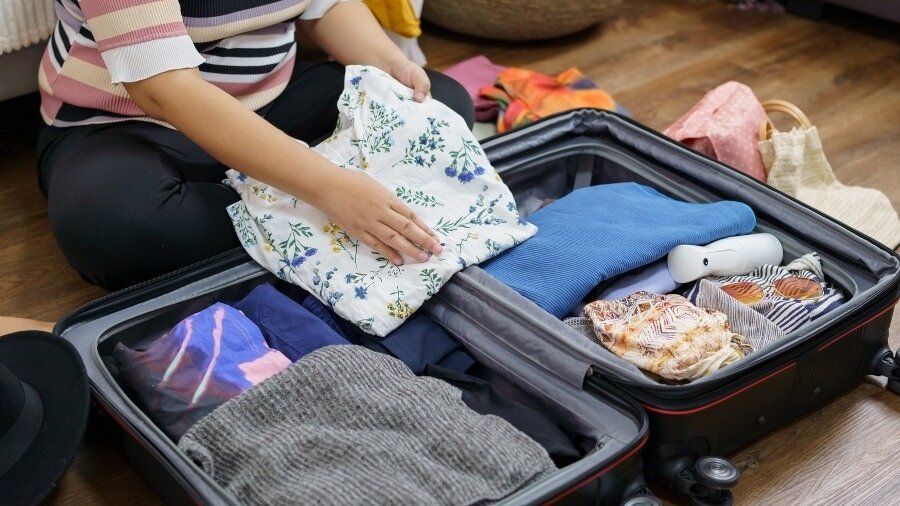
Pack layers. A T-shirt covers a sunny midday, and a fleece or light jacket covers the evening. Add a waterproof for the wet days, walking shoes for the sierra, and sunglasses and sun cream, which still earn their place, particularly on the trails. A swimsuit is optional, unless you’re staying in a Goto property with a heated pool.
What does a self-catering home add to a January stay?
Every Goto home has wifi, space to work, a fully equipped kitchen and heating for the cooler evenings. For a stay of a few weeks, that means it’s essentially a home-from-home.
To check January availability or ask about a longer winter stay, contact Goto. We hope to see you soon.
Frequently asked questions
How hot is the Costa del Sol in January?
Mild. The average daytime high at Málaga Airport is 16.8°C and the average night-time low is 8°C.
Is it warm enough to sit outside in January?
At midday, in the sun and out of the wind, many people sit outside comfortably. In the shade and after sunset it cools quickly, so bring a jacket.
Can you swim in the sea in January?
The sea is around 15 to 16°C, which most people find too cold. A few hardy swimmers go in. Check the individual property listing for pool details.
Does it rain a lot in January?
Málaga Airport averages 5.8 days with 1 mm of rain or more and 69 mm in total across the month. Rain tends to arrive with Atlantic fronts and clears within a day or two.
Is January the best month to visit the Costa del Sol?
That depends on what you want. June to September suits swimming and beach days. Spring and autumn suit walking and golf with warmer weather. January suits mild, sunny days outdoors, quieter promenades and a long winter stay, and it has the Three Kings celebrations on 5 and 6 January.
Do I need a car?
A car makes it easier to reach trailheads, golf courses and places such as Granada and Ronda. Some areas have local buses, and a commuter train links Fuengirola with Málaga city and the airport. Check the location in the property listing and our blog on whether to hire a car.
Do the properties have heating?
Yes. Every Goto property has heating, which is useful on the cooler mornings and evenings.
How long can I stay?
UK, US, Canadian and Australian passport holders can generally stay up to 90 days in any 180-day period. Check the official guidance, including the ETIAS start date, before you travel.

January offers a refreshing alternative to the traditional summer holiday on the Costa del Sol. With mild daytime temperatures, quieter promenades, excellent walking and golf opportunities, and plenty to explore along the coast and inland, it's an ideal destination for a winter escape.
Whether you're planning a short break or a longer stay, a self-catering holiday home gives you the space, comfort and flexibility to settle into local life. Explore our Goto holiday rentals to find your winter base, or contact us to enquire about January availability and longer stays.